
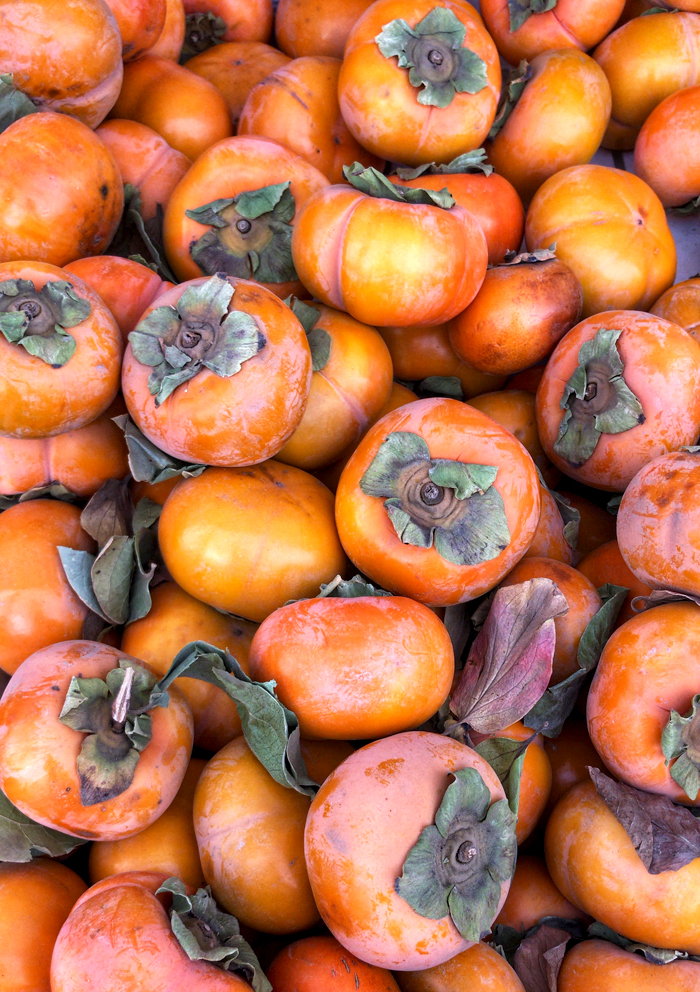
Here's how to eat persimmons along with the best persimmon recipes so you can put all those gorgeous, vibrant orange fruits to good use! When persimmons finally come into season, grab as many as you can! Then use this list to figure out what to do with all those fresh persimmons. Shall we?
Explore More
- What are Persimmons?
- Best Type of Persimmons for Recipes
- How to Eat Persimmons
- Best Recipes with Persimmons as Toppings
- Best Persimmon Recipes: Savory
- Best Persimmon Recipes: Sweets and Desserts
- When are Persimmons in Season and Where to Buy Them
- How to Store, Freeze, Dry, and Preserve Persimmons
- Persimmon Calories and Health Benefits
- Persimmons FAQs
- Persimmon Toast with Whipped Ricotta and Pomegranate Recipe
What are Persimmons?
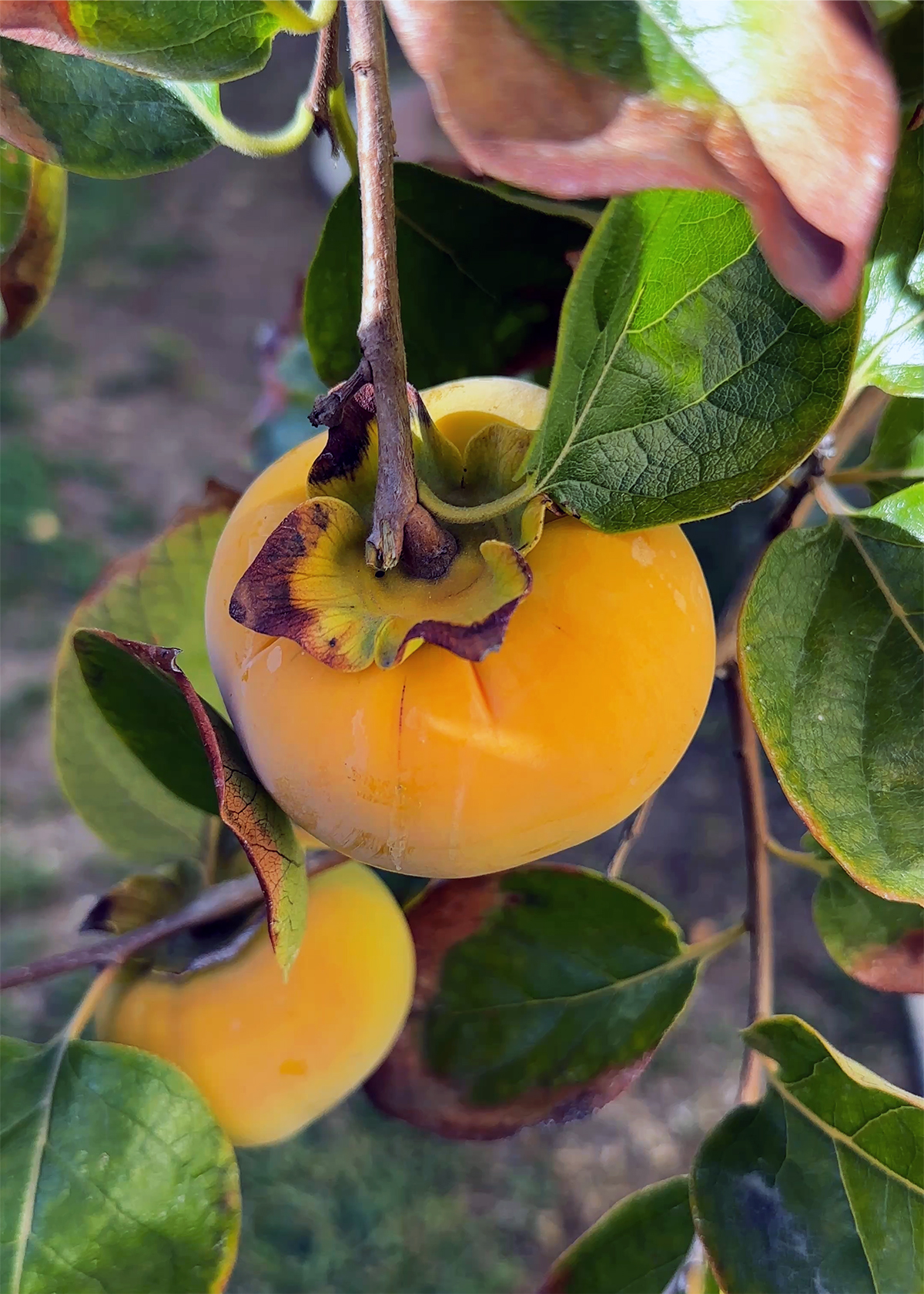
Persimmons are sweet, colorful fruits that originate from East Asia, particularly China and Japan, where they have been cultivated for thousands of years.
Persimmons are prized for their vibrant orange color, honey-like sweetness, and rich nutrient profile, including fiber, vitamin A (from beta-carotene), vitamin C, and various antioxidants. Depending on the variety and ripeness, they can range from firm and crisp to soft and custard-like.
Persimmons are versatile in the kitchen and can be eaten fresh, dried, or cooked. They have a unique flavor that is sweet with subtle hints of honey, apricot, or brown sugar, which makes them a popular fruit to incorporate into fall and winter baking recipes. Beyond taste, persimmons are valued for their health benefits, including digestive support, antioxidant protection, and a moderate impact on blood sugar due to their natural fiber content.
Hachiya Persimmon
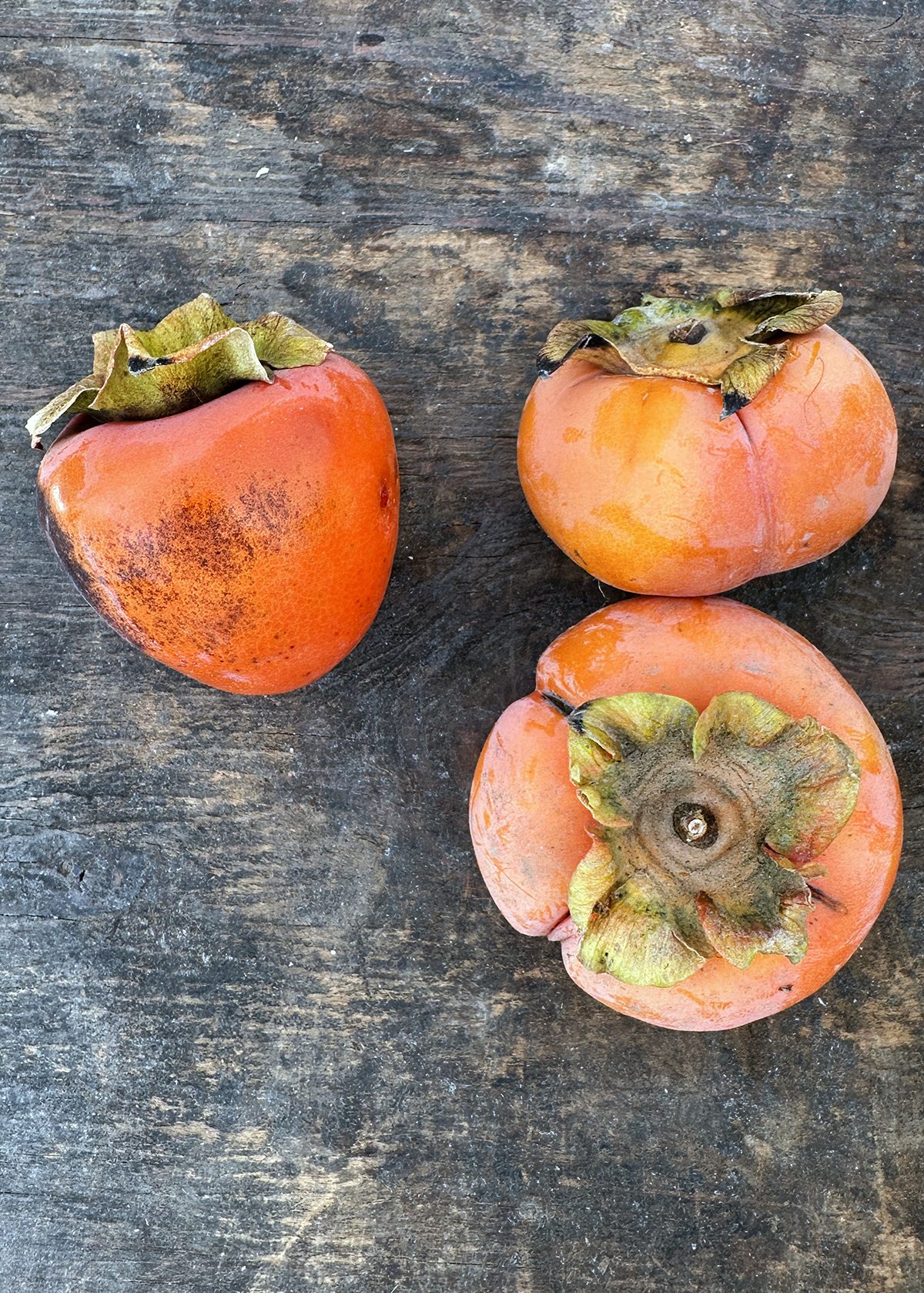
The Hachiya persimmon is an astringent variety, which means it must be fully ripe and soft before eating, or it will have an extremely bitter, puckering taste due to high tannin content. Hachiyas are acorn-shaped, with deep orange-red skin and a custard-like interior when perfectly ripened. Their rich, sweet flavor makes them excellent for pureeing into puddings, baked goods, smoothies, or sauces. Because of their soft, jammy texture when ripe, Hachiya persimmons are less suited for slicing but are prized in recipes where creamy sweetness is desired.
Fuyu Persimmon
The Fuyu persimmon is a non-astringent variety, meaning it can be eaten while still firm without a bitter taste. It is squat and round, often compared to a tomato in shape, with a bright orange skin and a crisp, slightly sweet flesh. Because it remains firm at ripeness, Fuyu persimmons are ideal for slicing into salads, roasting, or eating raw as a snack. Their flavor is mild and sweet, making them accessible to people who may be new to persimmons. Fuyu persimmons also retain their texture after cooking, which allows them to be used in stir-fries, baked goods, or even dehydrated for a chewy snack.
Fuyu persimmons are my personal favorite because of their firmer texture, which I generally prefer in fruit, e.g. crunchy apples, grapes that have snap, and nectarines that are more crisp than soft.
At local farmers' markets or even your own backyard, you might come across special varieties of persimmons like Chocolate Persimmons, Cinnamon Persimmons, and Coffeecake Persimmons. They are always worth a taste!
Best Type of Persimmons for Recipes
The persimmons we are most familiar with and are most widely available in grocery stores are either Fuyu or Hachiya. For recipes that require fresh persimmons that hold their shape when sliced, diced, or cut into wedges, e.g. appetizers, salads, served fresh on a fruit plate, use Fuyu. For recipes that incorporate persimmon pulp, e.g. anything baked, use very ripe Hachiya persimmons.
To eat a persimmon by itself fresh, either variety works, depending on what texture you prefer!
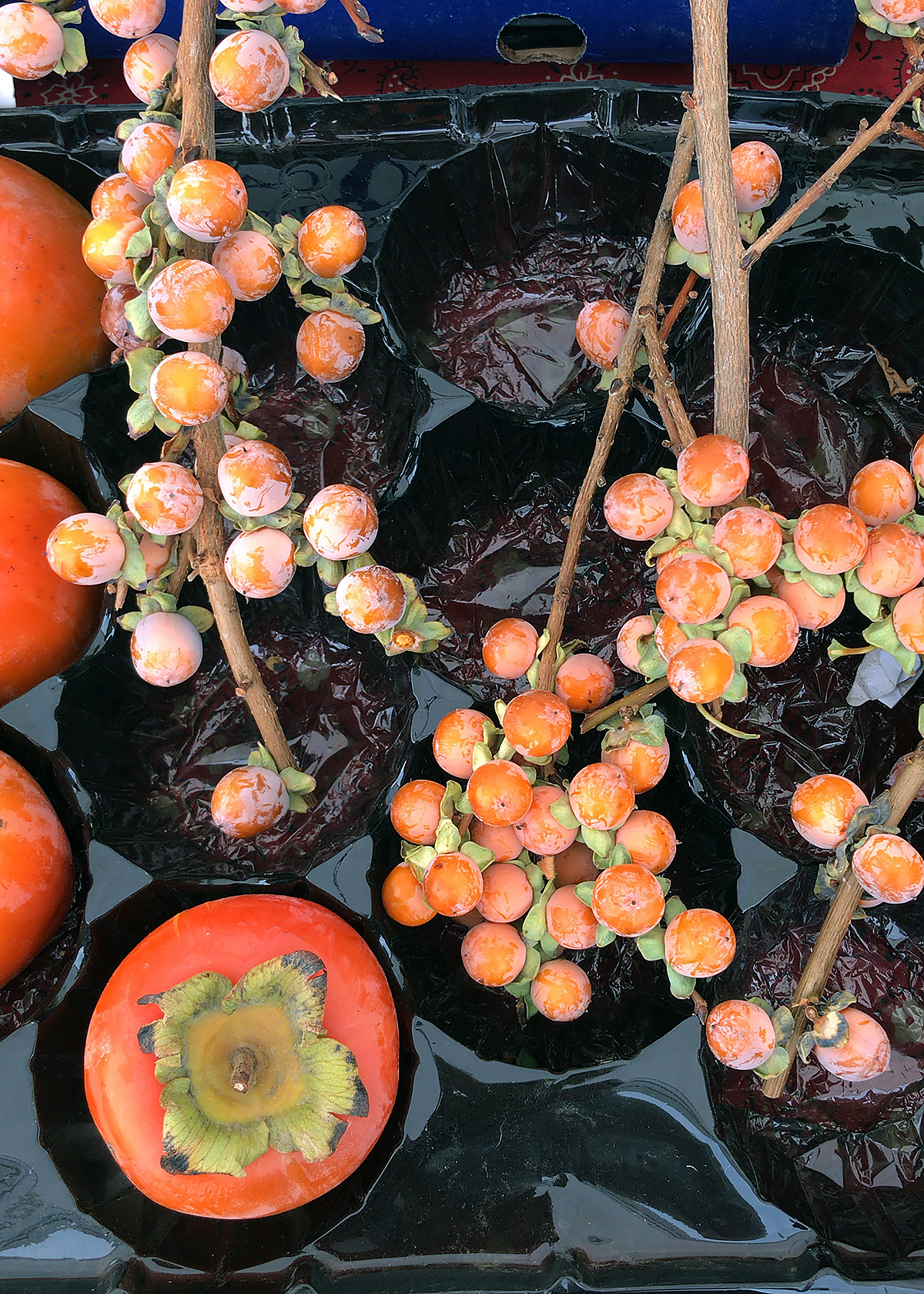
How to Eat Persimmons
Eat Fuyu persimmons the same way you would eat apples, right out of hand. The entire inner persimmon plus its skin is edible. You can also cut off the stem end, slice the persimmons cross-wise and you'll see its star shape inside.
Simply sliced, fresh Fuyu persimmons are great on bowls of yogurt, oats, and chia and make a gorgeous garnish on cakes that don't require any overly sweet frostings or icings. If you like fresh fruit as an accompaniment on cheese and charcuterie boards, you will love Fuyu persimmon slices or thin wedges paired with cheese for a totally different dimension.
Hachiya persimmons require a little more planning to eat fresh because they have to be super ripe to enjoy them. When you see them in a conventional grocery store, they are likely still a little firm because they transport better.
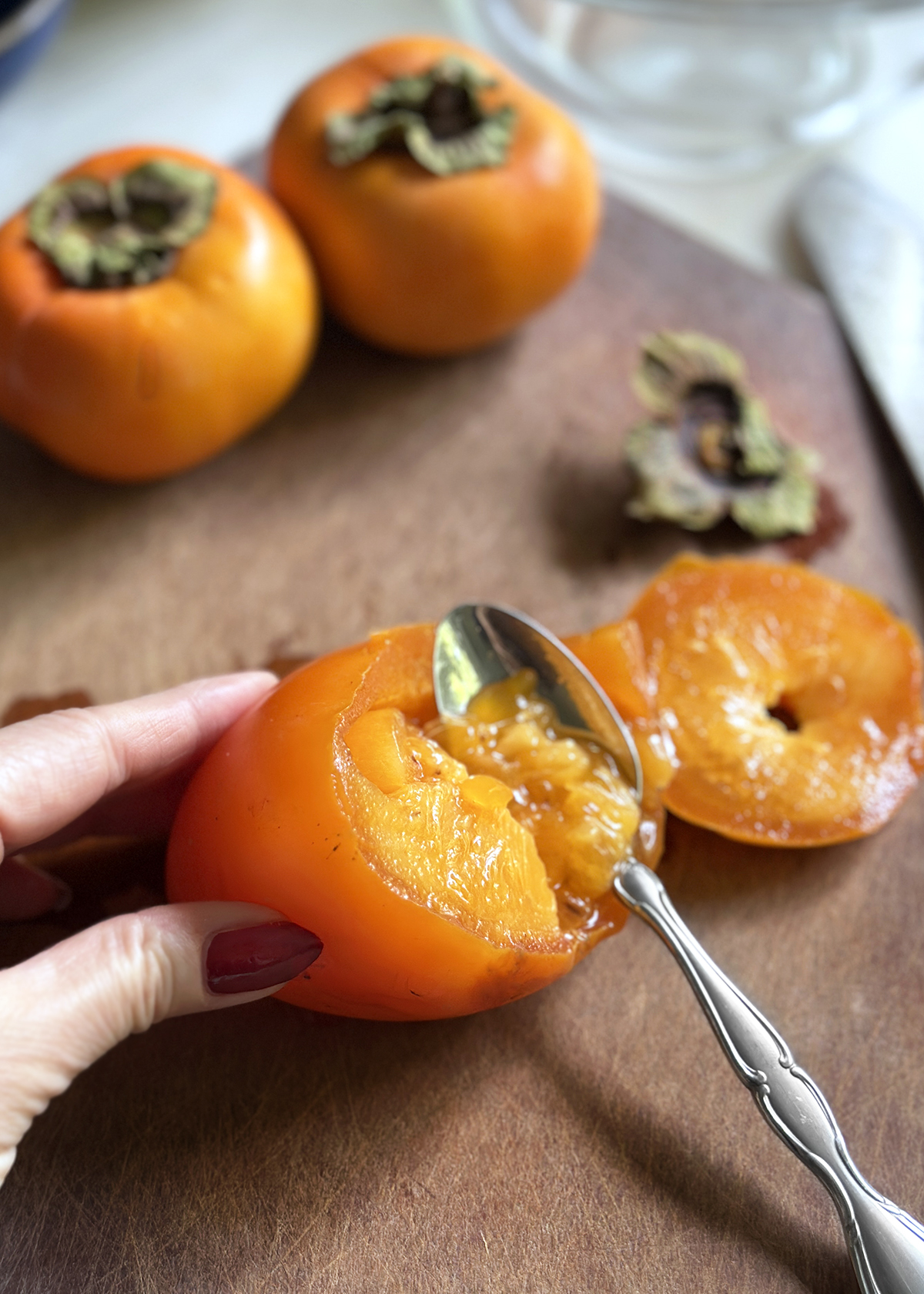
Allow Hachiya persimmons to ripen on your countertop at home until they turn a deeper reddish orange, have an almost translucent glassy skin, and feel squishy to the touch. You will be able to just pull off the stem end with the leaves, but you can also use a very sharp knife to slice the top off. Use a spoon and scoop out the inside, which will have an almost gel-like texture.
For an extra treat, you can just place super-ripe Hachiya persimmons in the freezer whole. When they are "frozen," they don't completely solidify because of the sugar content, and will have a, almost sorbet-like texture that you can eat with a spoon!
Best Persimmon Recipes Flavor Pairings
Persimmons are rich, sweet, with a unique texture, and low acid. When thinking about how to cook and eat fresh persimmons, keep these complementary flavors in mind:
- sweet: dark chocolate, honey, balsamic, warm autumn spices like cinnamon, ginger and nutmeg
- nuts: almonds, pistachios, walnuts
- cheeses: ricotta, goat cheese, feta, cambozola or other mild blue cheese-feta and blue are my personal faves!
- savory: prosciutto
- herbal: basil, mint, rosemary, arugula, radicchio
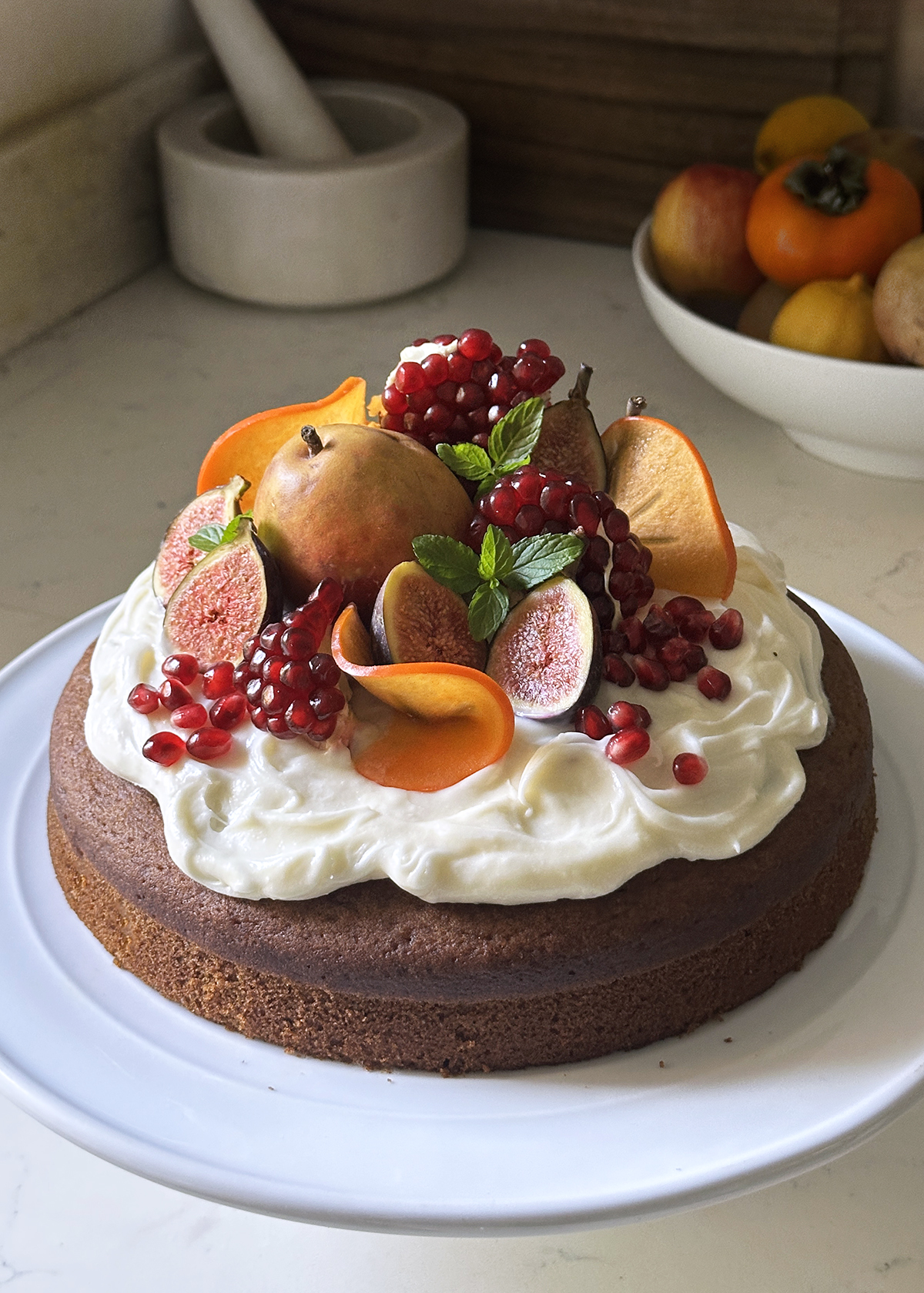
Best Recipes with Persimmons as Toppings
Simply peel slice fresh persimmons and use to top or garnish bowls, boards, and cakes! Persimmons are especially great on chia seed bowls because they both have that crunchy seeded texture.


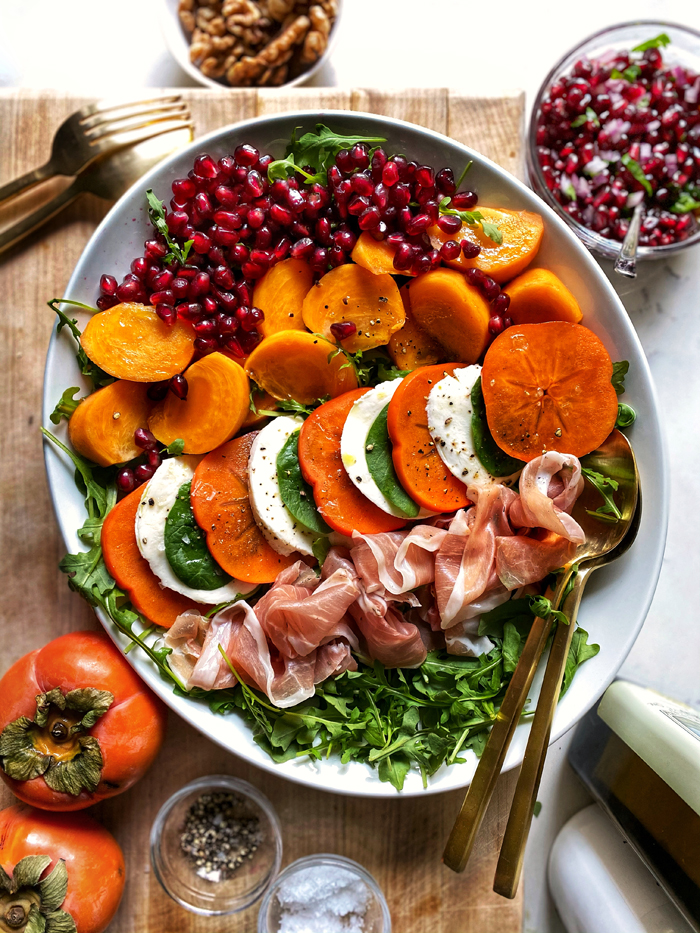
Best Persimmon Recipes: Savory
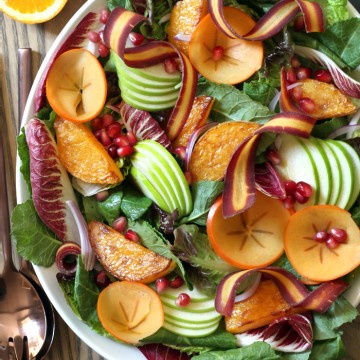
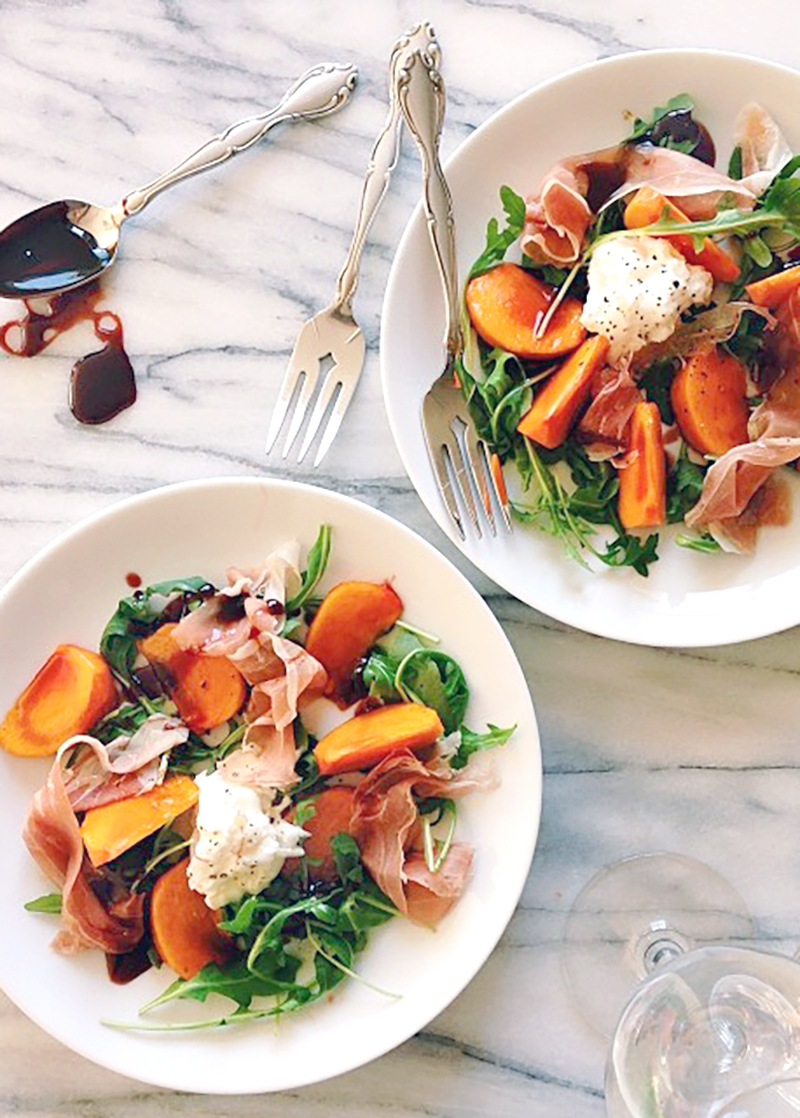
With their natural, honeyed sweetness, persimmons are a perfect balance on savory dishes that have particularly salty ingredients, especially cheese. Fuyu persimmons are great on salads, either sliced to show off their pretty "star" shape, or chopped, since they hold their shape so well.


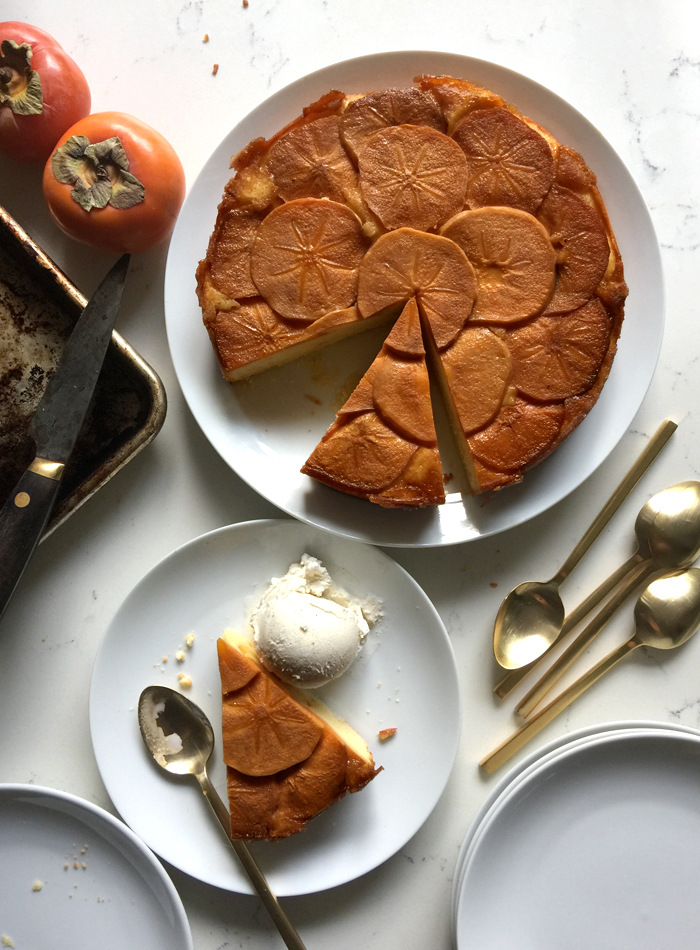
Best Persimmon Recipes: Sweets and Desserts
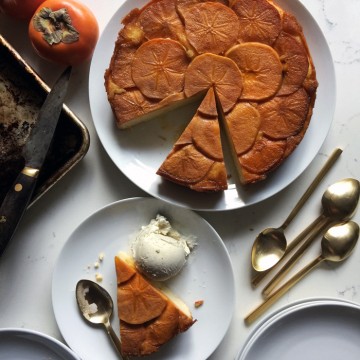
Fresh Persimmon Tart in Granola Crust
"Instant" Persimmon Sorbet
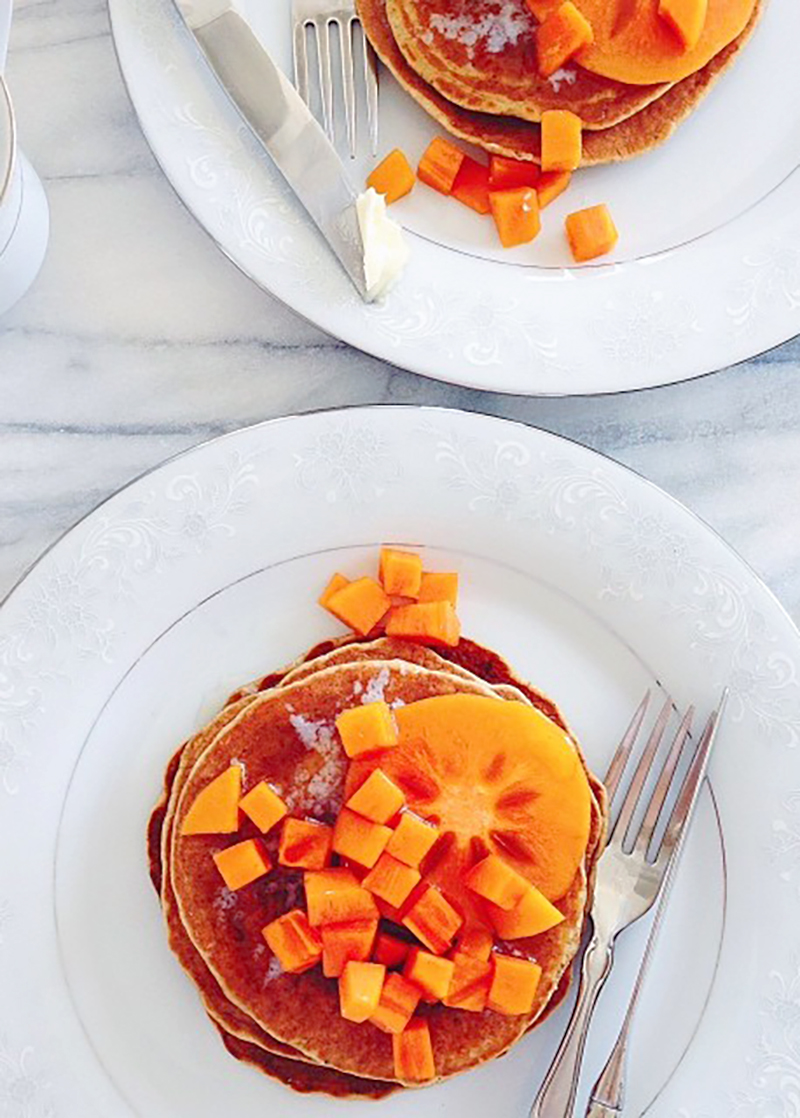
Best Persimmon Recipes: Appetizers and Snacks
Persimmon Jam
Baked Brie with Persimmon Jam
Prosciutto-wrapped Roasted Persimmons

When are Persimmons in Season and Where to Buy Them
Fresh persimmons are a fall fruit because they are officially in season October to December. In southern California, Arnett Farms at my local farmers' markets sells their early varieties like Coffee Cake Fuyu persimmons as early as September. The rest of the regular season October-December, find persimmons in conventional grocery stores or online from specialty produce distributors like Melissa's.
Dried persimmons are available year-round! And if you find yourself with a lot of fresh persimmons, you can dry them yourself to keep longer, or even freeze fresh!

How to Store, Freeze, Dry, and Preserve Persimmons
Storing Fresh Persimmons. Fresh persimmons are fairly sturdy, except when Hachiya persimmons are super ripe. For both varieties, store them, unwashed, on the countertop, and upside down. Fuyu persimmons will stay good for about five days. Wash them just before eating. The ripening time for Hachiya persimmons will depend. Eat them as soon as possible once super- ripe, though.
Freezing Persimmons: Hachiya persimmons are great for freezing! Once they become super-ripe, the fruit will already almost be broken down into gelly that won't freeze totally rock solid. You can thaw them to use them for baking, or to eat straight like a natural sorbet.
Drying or Dehydrating Persimmons
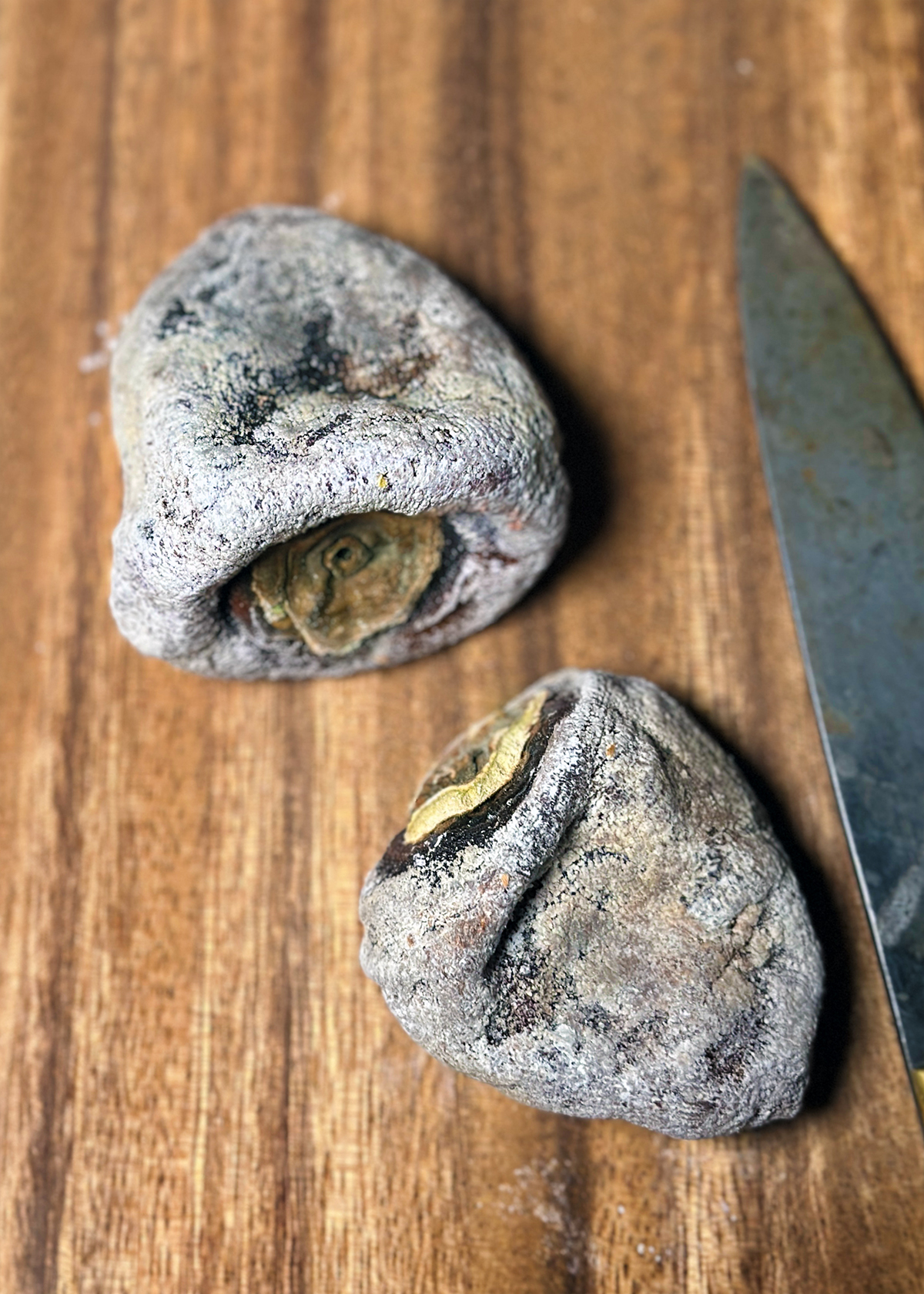
Dried persimmons are a delicacy, almost an art form! You might have seen the snowy white dried persimmons called hoshigaki in Japanese pictured above, made by hang-drying Hachiya persimmons and massaging by hand every day over the course of several weeks. You can make these yourself using one of the many tutorials online. It's pretty straight-forward, though it does take some time.
You can also make Dried Fuyu Persimmons in your home kitchen two ways. You can use a dehydrator like this and follow the manufacturer's instructions for drying fruit.
To use your oven, persimmons won't get quite as desert-dry as using a dehydrator, but they will dry out, get sticky, chewy, and concentrate in sweetness and taste like a fruit roll-up:
- Preheat oven to the lowest temperature, ideally 140° Fahrenheit/60°C, though my oven only goes to 170°F.
- Wash persimmons, pat them dry with a clean kitchen towel until they are bone dry.
- Cut the stem off, then slice each persimmon cross-wise as thin as you can into rounds. The thinner you make them, the faster they will dry.
- Arrange persimmon slices with air space between each slice on a wire rack positioned over a baking sheet. Transfer the baking sheet to the oven. Oven-dry the persimmons for 8-9 hours, or until thoroughly dried.
- Cool dried persimmons completely, then store in an airtight container. Completely dried fruit, like bone-dry, will keep at room temperature for up to 3 months. I store all dried fruit in the refrigerator to keep them even longer.
Persimmon Calories and Health Benefits
tl;dr One Fuyu persimmon has ~118 calories and one Hachiya persimmon, which is larger and sweeter, has ~178 calories.
Gram for gram, the nutritional profile is about the same between the two main varieties, Fuyu and Hachiya. However, the nutritional profile per fruit is slightly different because Hachiya persimmons are larger and eaten when they are super-ripe, i.e. much sweeter. Here are the nutrient estimates per fruit:
- Calories: 118 calories per Fuyu, 178 calories per Hachiya
- Protein: 1 g per Fuyu, 1.8 g per Hachiya
- Fat: <1 g for both
- Fiber: 6 g per Fuyu, 8 g per Hachiya
- Sugar: 20 g per Fuyu, 35 g per Hachiya
From a glycemic perspective, fresh persimmons have a glycemic index (GI) of 50-61, which is considered moderate, depending on the variety. Fuyu persimmons have lower sugar content. Hachiya persimmons when super ripe have more sugars.
Both Fuyu and Hachiya persimmons are associated with heart health benefits due to their fiber, potassium, and polyphenol content, which may help reduce LDL aka "bad" cholesterol and improve blood pressure balance. Additionally, the carotenoids and flavonoids are types of antioxidants that that protect cells from oxidative stress, support immune health, promote healthy vision and skin, and may have anti-inflammatory and anti-cancer properties.
- Vitamin A, from beta-carotene, 1,400-2,100 IU, or 28%-42% DV
- Vitamin C, 12 mg or 20% DV
- Potassium 450-540 mg, or about 10-12% DV
Persimmons FAQs
YES! The skin on all varieties of persimmons is edible! It is possible to peel the skins off of persimmons, though it's totally unnecessary.
Ripeness depends on the variety of persimmons.
Fuyu persimmons, the squat ones that looks like a mini pumpkins, are ready to eat when they are firm to almost hard, similar to an apple.
Hachiya persimmons, the larger, acorn-shaped ones, have to be super-ripe to eat otherwise the tannins in the fruit will taste too astringent. They are ready to eat when they are almost squishy under gentle pressure from the pads of your fingers and feel heavy for their size. They will be deeper orange in color and have an almost translucent, glass-like appearance to the skin. It's ok if they have dark freckles on the skin.
Yes! Persimmons continue to ripen off the tree! Because truly ripe and ready to eat persimmons are fairly fragile, they are often picked off the tree when they are not quite soft to avoid bruising during transport. You can leave just slightly under-ripe persimmons on the countertop to ripen until they are ready to eat, especially the Hachiya persimmon, which MUST be completely super-ripe.

Persimmon Toast with Whipped Ricotta and Pomegranate Recipe
Ingredients
- 2 slices sourdough-type bread toasted, extra dark
- 4 tablespoons Whipped Ricotta
- 1 persimmon Fuyu sliced into paper-thin rounds or Hachiya scooped when ultra-ripe
- 2 tablespoons pomegranate arils
- mint fresh, chopped or torn
- flaky sea salt
Instructions
- Grill or toast sliced bread until very dark. A dark char on toast is key for providing a slight bitterness to balance the sweetness of persimmons.
- Spread each toast with whipped ricotta or whipped cottage cheese.
- Top with sliced Fuyu persimmons or scooped Hachiya persimmons, pomegranate arils, and fresh mint leaves. Finish with flaky sea salt.
Leave a Reply